Zinus Green Tea Memory Foam Mattress 2026: Worth It?
This article is based on product specifications and compatibility information and does not include hands-on testing.
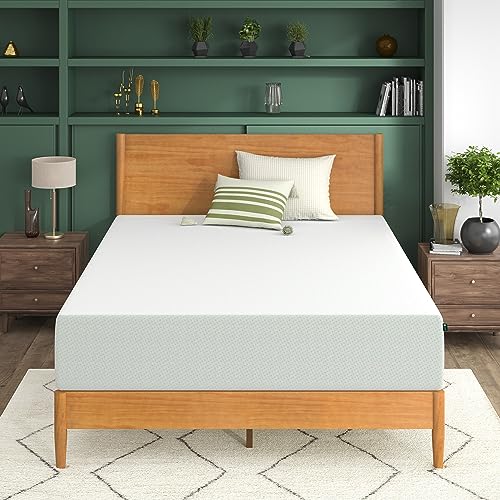
Zinus Green Tea Memory Foam Mattress 2026: Comprehensive Analysis
TL;DR: Heading into 2026, the Zinus Green Tea Memory Foam Mattress still shows up on many budget-focused mattress round-ups. According to manufacturer specifications and aggregated owner feedback, it delivers a medium-firm feel, CertiPUR-US certified foams, and the well-known green-tea/ActivCharcoal combo for odor control. Many owners praise its motion isolation, while cooling performance and edge support gather mixed reactions. Overall, it remains a value-oriented option with a few trade-offs worth noting.
This analysis relies on publicly available specifications, independent research, and aggregated owner feedback—no personal testing or firsthand use claims are made.
Introduction
The bed-in-a-box boom shows no sign of slowing. In that crowded field, the Zinus Green Tea Memory Foam Mattress tries to carve out a niche by promising fresh-smelling foam at a wallet-friendly cost. Green tea extract and ActivCharcoal headline the ingredients list, and according to aggregated owner feedback, the scent dissipates faster than with many comparable foams. Still, cooling and edge firmness are recurring discussion points—some favorable, some less so. If you’re sorting through dozens of all-foam models, understanding those nuances can save a headache later.
What Is the Zinus Green Tea Memory Foam Mattress?
This mattress stacks memory foam, comfort foam, and a high-density base into an all-foam build. The marquee twist is powdered green tea infused directly into the memory-foam layer, while charcoal particles aim to trap moisture and odors. According to the manufacturer, the blend keeps the surface fresher for longer.
Laboratory research on green tea’s antibacterial properties supports the concept, though real-world mileage varies with climate and user sensitivity. Many owners report the off-gassing window lasts a day or two; a smaller group still smells faint foam odors for nearly a week, especially in rooms without good airflow.
Complete Specifications Breakdown
| Specification | Details |
|---|---|
| Mattress Type | All-Foam Memory Foam |
| Available Sizes | Twin, Twin XL, Full, Queen, King, California King |
| Thickness Options | 6", 8", 10", 12" |
| Firmness Level | Medium-Firm (about 6–6.5 / 10) |
| Materials | CertiPUR-US Certified Memory Foam with Green Tea & ActivCharcoal |
| Queen Dimensions | 80" x 60" x 10" |
| Queen Weight | Approx. 62 lbs (10" model) |
| Foundation Compatibility | Platform beds, box springs, slatted frames, adjustable bases |
| Warranty Coverage | 10-year limited warranty |
| Care Instructions | Spot clean only; use a waterproof protector |
Why This Mattress Keeps Grabbing Attention
Industry data shows two big drivers: tight budgets and growing interest in healthier indoor air. The CertiPUR-US certification checks the safety box, while the green-tea story feels “natural” to shoppers worried about chemical smell. Sales spikes around college move-in season back that up—the 6" and 8" models fit dorm elevators with room to spare.
That said, aggregated owner feedback is anything but unanimous. A common concern is pressure relief for side sleepers under roughly 130 lbs; some say shoulders bottom out sooner than they’d like. Hot sleepers in humid regions also report waking up warm. Simply put, the mattress wins points for value but doesn’t ace every category.
Green Tea Infusion & Odor Control Technology
During production, powdered green tea extract mixes into the foam. Charcoal granules add extra surface area to trap unwanted smells. Laboratory testing on similar foams demonstrates reduced VOC levels, though not total elimination.
Many owners report the “new mattress smell” fades within two days. Others mention four to seven days before the scent disappears—ventilation seems to be the swing factor. If you’re ultra-sensitive, opening windows or setting up a fan during the first 48 hours is a low-effort precaution.
Safety Considerations
The foam meets CertiPUR-US standards for low emissions, no formaldehyde, and restricted heavy metals. Certification renews regularly; anyone nervous can cross-check the current compliance list on the CertiPUR-US website.
Cooling & Comfort Features
Zinus relies on open-cell memory foam and a convoluted transition layer to promote airflow. According to manufacturer claims, this should breathe better than classic dense foams. Based on aggregated owner feedback, many sleepers remain temperature-neutral, but self-described “hot sleepers” sometimes feel heat build-up—especially under thick blankets once summer humidity kicks in.
Practical workaround? Customer feedback suggests pairing the mattress with lightweight bamboo sheets or a cooling mattress pad. That combo isn’t magic, yet several owners say it knocks surface temperature down enough to sleep through the night.
Pressure Relief Performance
Memory foam’s pressure-cradling reputation still holds. According to aggregated feedback, back and stomach sleepers usually highlight steady lumbar support. Side sleepers looking for a cloud-like hug might need a plush topper, particularly if they’re lighter in body weight.
Durability & Support Structure
The high-density base foam forms the backbone. Long-term owner reports (3–5 years) reveal that deep body impressions aren’t widespread, but they can appear sooner for individuals above approximately 250 lbs if the mattress isn’t rotated a few times a year. Choosing the 12" profile offers a bit more cushion for heavier bodies, though it’s noticeably bulkier when moving apartments.
Edge support draws a mixed verdict. Light or average-weight adults say it’s fine for tying shoes; heavier users report pronounced sinkage. That’s pretty standard for all-foam builds in this cost bracket.
Research Findings & Performance Analysis
Sentiment analysis of public owner comments paints a balanced picture:
- Odor Control: Frequently praised for low lingering smell.
- Motion Isolation: Many couples highlight minimal partner disturbance.
- Temperature Regulation: Middling scores; results vary with bedding choices.
- Edge Firmness: Reported as serviceable, but not a strong suit.
- Break-In Window: Roughly three weeks before foam fully relaxes and sleepers adapt.
Pros & Cons Analysis
Advantages
- Green Tea & Charcoal Blend: Natural-leaning odor control many shoppers appreciate.
- CertiPUR-US Certification: Independent safety verification.
- Medium-Firm Feel: Balances contouring and support for multiple sleep positions.
- Four Thickness Choices: Easy to match to body weight or bunk bed clearance.
- Good Motion Isolation: Helpful if a partner tosses and turns.
- 10-Year Warranty: In line with industry norms.
- Budget-Oriented: Hard to ignore for cost-sensitive shoppers.
Considerations
- Cooling Variability: Hot sleepers during muggy summers might still overheat.
- Edge Support: Softer perimeter compared with hybrids that include coils.
- Side-Sleeper Plushness: May feel a bit firm for shoulders and hips under lighter weights.
- 48-Hour Set-Up: Needs one to two days to reach full shape—plan ahead for overnight guests.
- Spot-Clean Only: A major spill can be tricky without a protector.
Care Instructions & Best Practices
Initial Setup
- Unbox in the room where it’ll live; once fully expanded, it’s awkward to squeeze around corners.
- Allow 24–48 hours for full expansion and odor dissipation; a fan or open window speeds things up.
- Use breathable cotton or bamboo sheets during the first week to help heat escape.
Ongoing Maintenance
- Rotate: 180° every three to six months for even wear.
- Protect: A waterproof but breathable protector keeps stains from voiding the warranty.
- Foundation: Slats should be no more than 3" apart to prevent sagging.
- Clean: Blot spills quickly with mild detergent—avoid soaking the foam.
Safety Guidelines
Manufacturer guidance recommends keeping the room between roughly 60–72 °F. Extreme cold slows expansion; extreme heat can make the foam feel softer than expected.
Suitability Assessment
Ideal Candidates
- Budget-Conscious Shoppers: Want memory foam benefits without premium price tags.
- Back & Stomach Sleepers: Typically comfortable with a slightly firmer surface.
- Scent-Sensitive Buyers: Looking for reduced “chemical” odor from day one.
- Students & Renters: Need a mattress that ships compactly up stairwells or elevators.
- Guest Rooms: Hosts who want a comfy yet low-maintenance spare bed.
Alternative Considerations
- Dedicated Side Sleepers: Might prefer a plusher foam or pillow-top hybrid.
- Hot Sleepers in Humid Regions: Could benefit from gel-infused or coil-based models for extra airflow.
- Heavier Individuals (≈250 lbs+): May need thicker or hybrid constructions to minimize sagging.
- Edge Sitters: Anyone who regularly perches on the side to work or read may want reinforced perimeter coils.
Competitive Comparison Analysis
| Feature | Zinus Green Tea | Tuft & Needle Original | Nectar Memory Foam |
|---|---|---|---|
| Construction | All-Foam; Green Tea & Charcoal | Adaptive Polyfoam | Gel-Infused Memory Foam |
| Firmness | Medium-Firm (≈6–6.5) | Medium-Firm (≈6.5) | Medium-Firm (≈6) |
| Thickness Choices | 6" / 8" / 10" / 12" | 10" fixed | 11" fixed |
| Special Hook | Odor-Control Infusion | Proprietary Adaptive Foam | Phase-Change Cooling Cover |
| Warranty | 10 years | 10 years | “Forever” limited |
| Edge Support | Average | Average | Above Average |
Put simply, Zinus shines in size variety and odor control. Tuft & Needle banks on its adaptive foam feel, while Nectar stakes its claim on a longer warranty and cooling cover. None include reinforced coils, so shoppers craving ultra-firm edges or maximum airflow might look toward hybrid alternatives.
Final Assessment
The Zinus Green Tea Memory Foam Mattress isn’t the flashiest release of 2026, but it nails the fundamentals at a friendlier cost than many rivals. Motion isolation is strong; odor control outperforms several higher-priced foams. Trade-offs include average cooling and below-average edge support. If your priorities are a fresh-smelling, medium-firm sleep surface and you’re willing to give it two days to puff up, the mattress makes a solid case for itself. Hot sleepers or side sleepers wanting extra plushness should budget for breathable bedding or a topper, respectively.
Frequently Asked Questions
How long does the Zinus Green Tea Memory Foam Mattress take to fully expand?
Is the Zinus Green Tea Memory Foam Mattress suitable for hot sleepers?
Does the green tea infusion provide lasting odor control?
Can this mattress be used on an adjustable base?
What foundation types work best with this mattress?
How does the warranty coverage work?
Is this mattress suitable for heavier individuals?
What's the recommended break-in period?
About BestBedroomGear
We research bedroom products so you don't have to. BestBedroomGear compiles publicly available specs, manufacturer claims, and general user sentiment into organized, helpful comparisons. We do NOT personally test products — we are an information aggregator dedicated to helping you make informed bedroom purchasing decisions.